

Product Categories
SEARCH WHAT YOU WANT
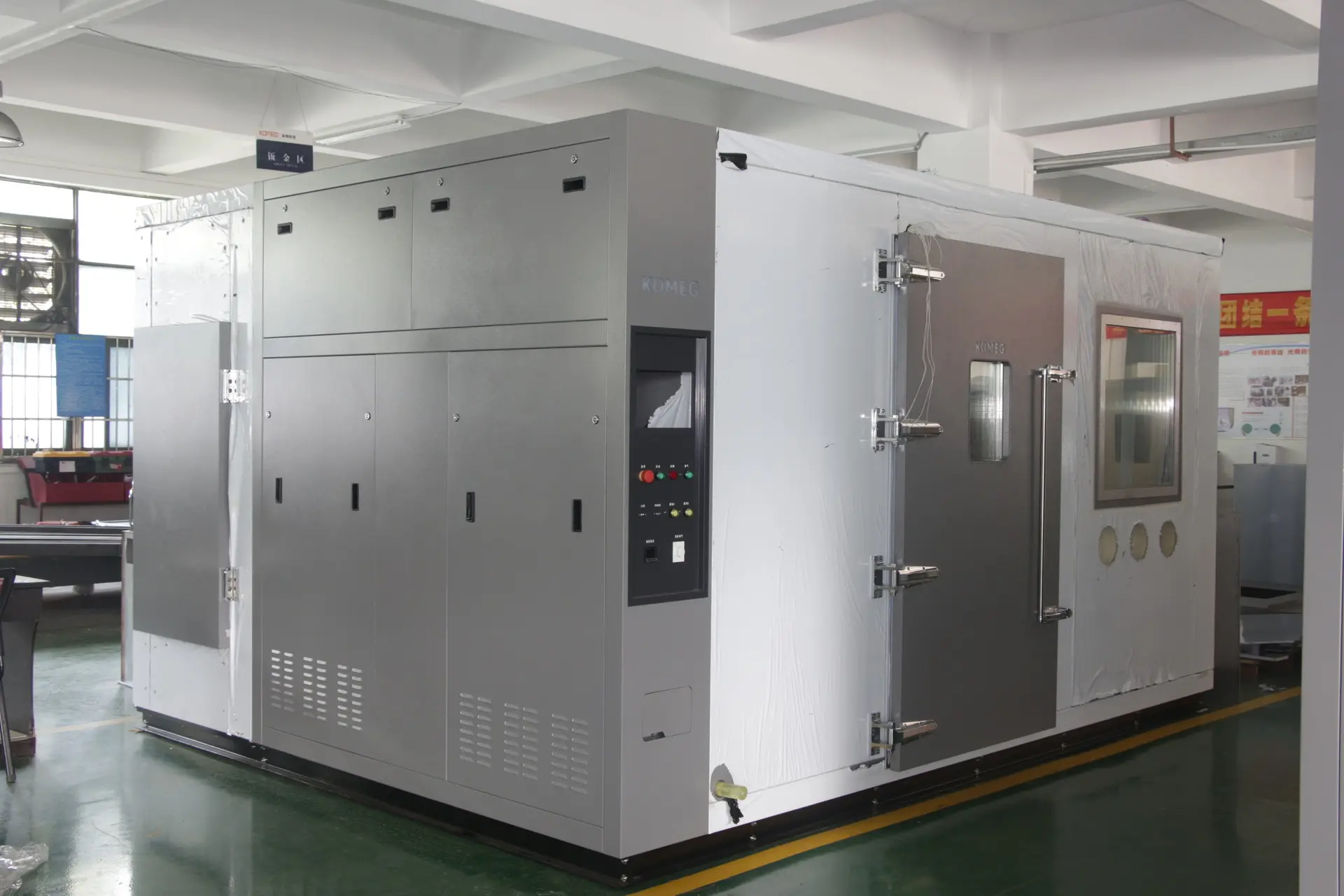
Knowledge | How to choose high temperature aging test equipment?
High temperature aging test is an important test to improve product stability and reliability, also an important production process for various manufacturers to improve product quality and competitiveness. This equipment is widely used in power electronics, computers, communications, biopharmaceuticals and other fields. According to other requirements to configure the main system, main electrical system, control system, heating system, temperature control system, wind constant temperature system, time control system, test load, etc. Through this test procedure, defective products or defective parts can be detected, and quickly find out the problem, provide effective means to solve the problem, and fully improve the customer's production efficiency and product quality.
Let’s learn about the basic knowledge of high temperature aging test together, help to choose high temperature aging test equipment.

High temperature aging screening purpose
l Improve product reliability, eliminate processing stress and residual solvents and other substances, and simulate harsh working environments to identify and eliminate product processes
l Check the early failures caused by the components to ensure the excellent quality and life expectancy of the whole machine, and enter a highly reliable stable period
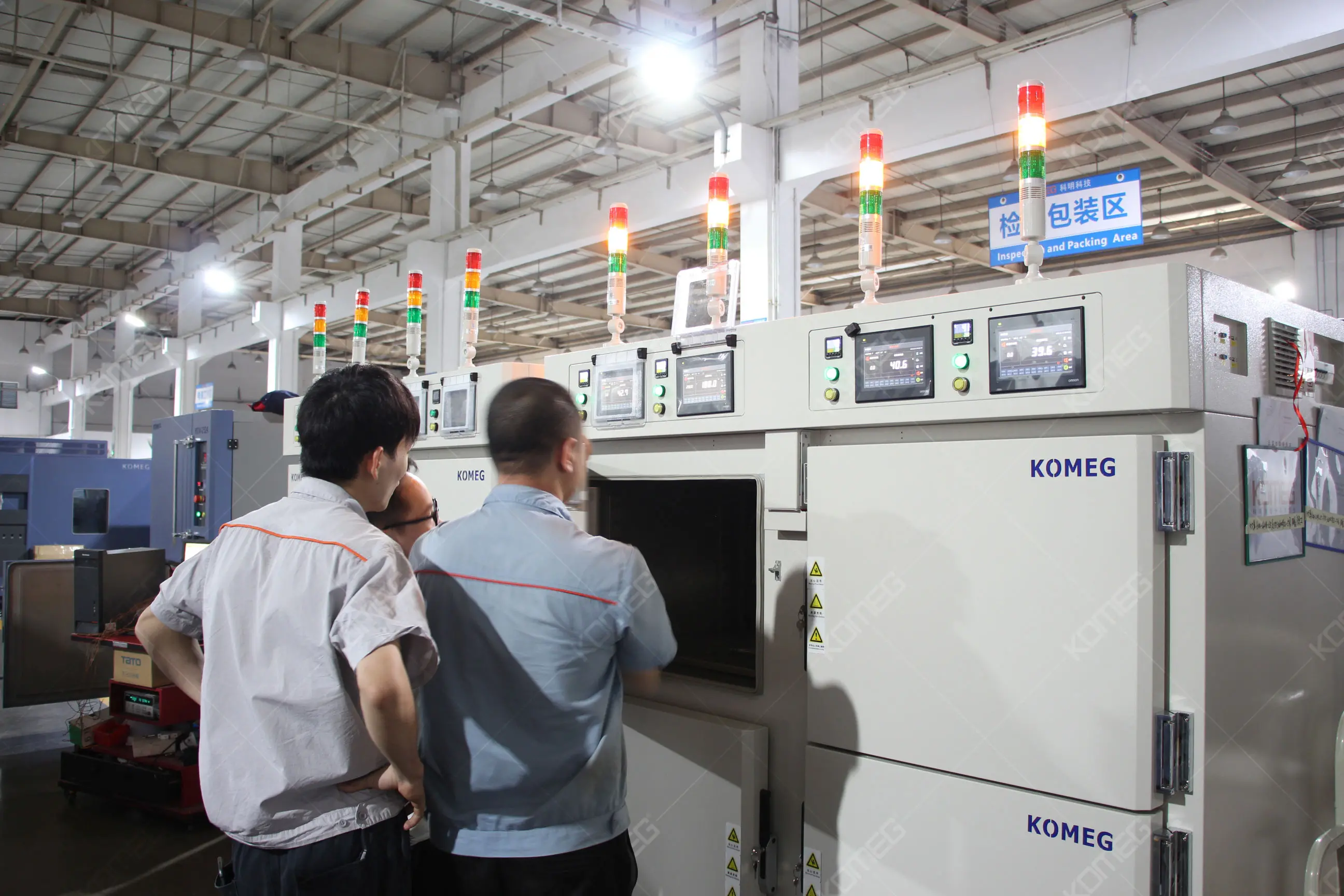
High temperature aging test reference standard
GB/T2423.2-2008 Environmental testing of electrical and electronic products Part 2: Test method Test B: High temperature
GB/T3512-2014 Hot air accelerated aging and heat resistance test of vulcanized rubber or thermoplastic rubber
GB/T7141-2008 Plastic Thermal Aging Test Method
GB/T1735-2009 Determination of heat resistance of paints and varnishes
ASTM D5573-04 (2015) Standard Test Method for Empty Rubber to Determine Rubber Deterioration in Hot Air Drying Oven
ASTM D8865-2011 Standard Test Method for Rubber Deterioration by Heating in Air (Test Tube Closure Method)
ASTM D33045-1992 (2010) Standard Practice for Thermal Aging of Unloaded Plastics
IS0188-2011 accelerated aging and heat resistance test of vulcanized rubber or thermoplastic rubber
DIN53508-2000 rubber test accelerated aging
IEC60068-2-2-2007 Environmental Testing Part 2-2: Test Test B: Dry Heat test
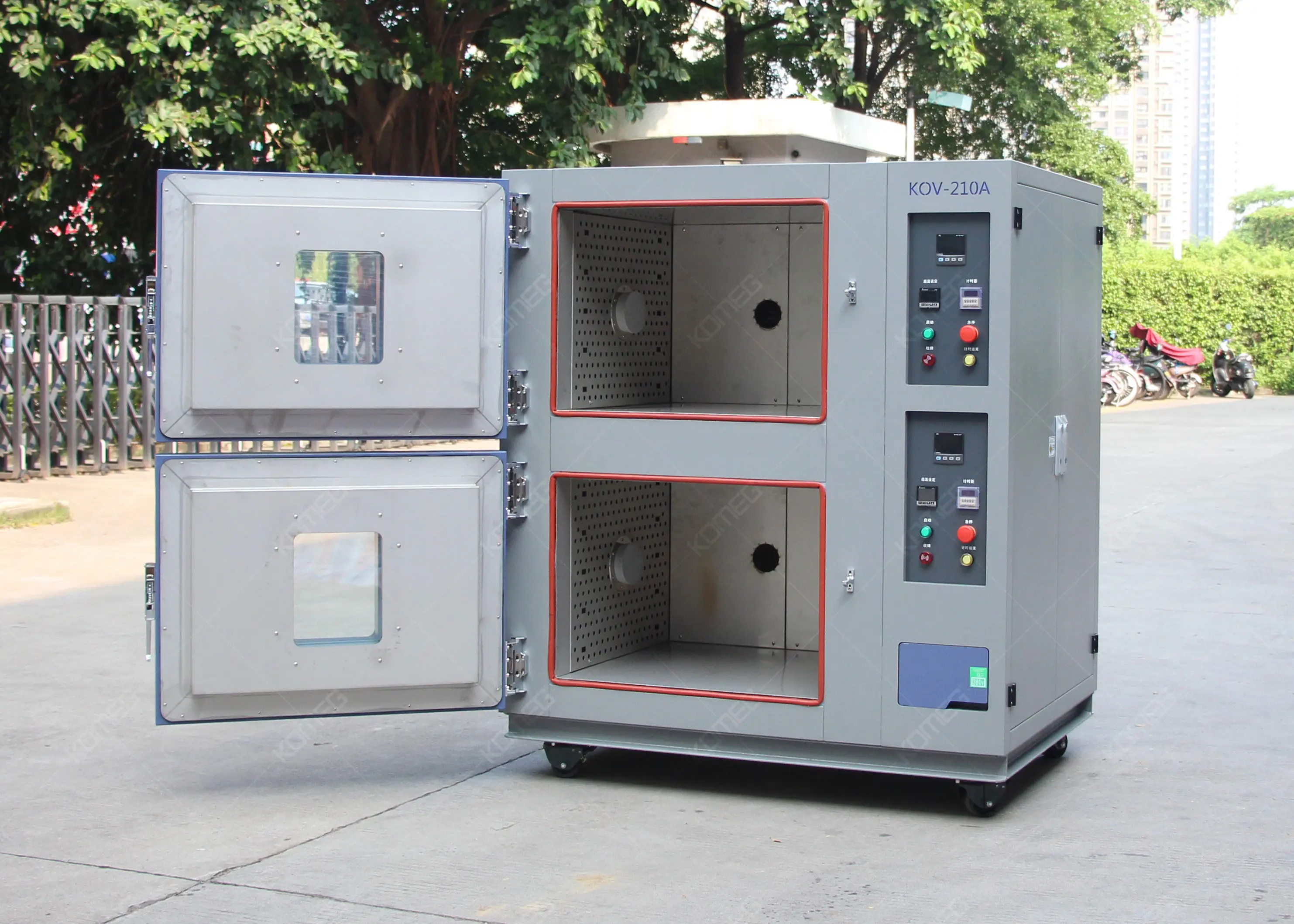
High temperature aging test equipment requirements
There are two main types of equipment for high temperature aging test, high temperature aging test chamber and high temperature aging room.
Both of them are designed to simulate a high-temperature and harsh environment test equipment for high-performance electronic products. They are important experimental equipment to improve product stability and reliability. The main difference is that the high-temperature test chamber is used to test samples for high-temperature adaptability tests and The high temperature stress test can also be used as a drying oven, but due to the large index difference, the drying oven cannot replace the high temperature test chamber, and the aging room is generally used for the sophisticated screening of products before leaving the factory, picking out the early failure parts, and conducting modular product testing, mostly used in electrical and electronic products.
High temperature aging test chamber
The high temperature aging chamber meets Rt+20℃~+300℃, and the ventilation time is adjustable from 1h to 99h.
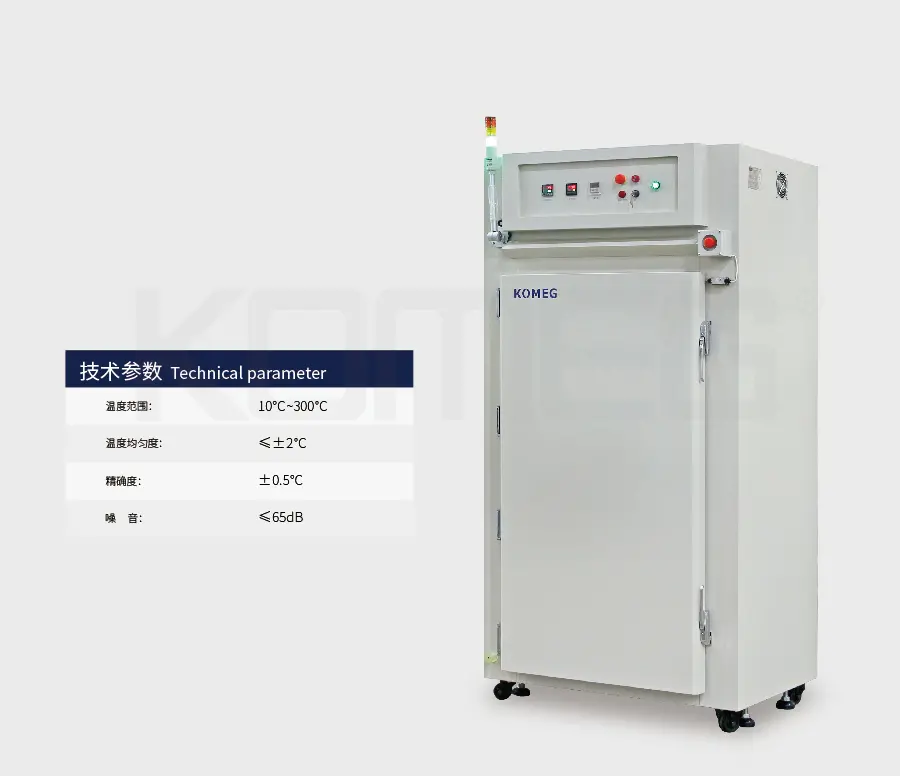
High temperature aging room
Temperature range +40℃~+70℃; suitable for aging test of all electronic products
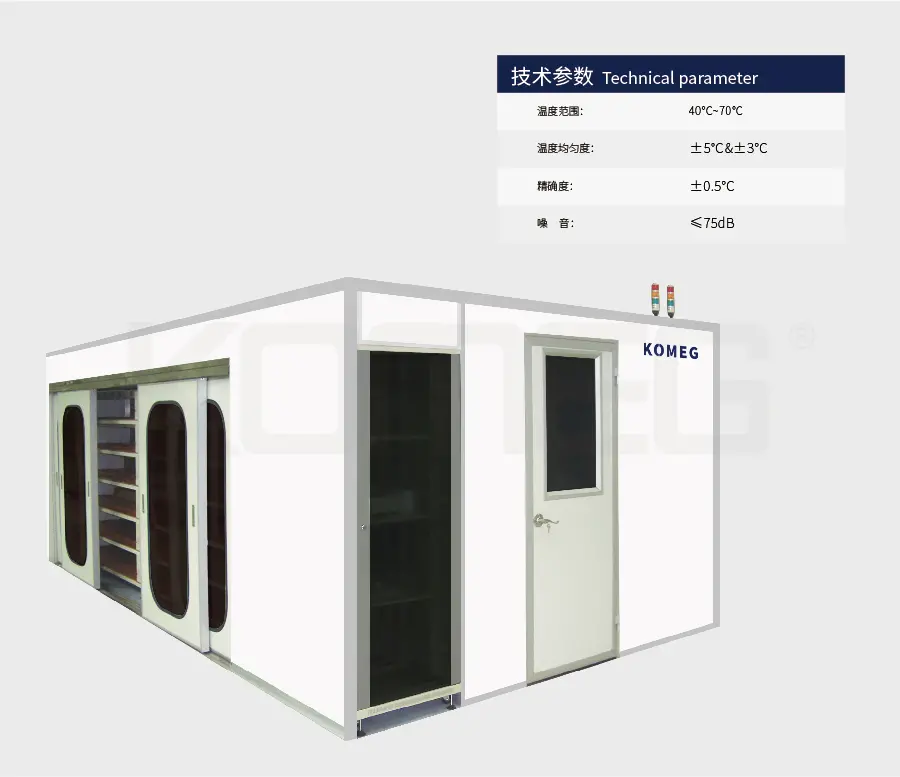
Integral Aging Room features
1. Adopt combined isolation, PD & closed temperature control
2. Use PU foam (double-layer glass for doors) for heat insulation, so that the internal temperature is not affected by external factors, and achieves power saving effect
3. The height and width between layers are customized according to the actual needs of customers, and it is convenient to pick and place
4. The trolley can facilitate the advancement and removal of the product, which is convenient for loading and unloading, and is convenient for equipment maintenance
5. Computer monitoring system can be installed according to customer requirements
Isolated aging room features
1. The product area and the load area are isolated, and the split load is used for easy maintenance and temperature control.
2. Use PU foam (double-layer glass for doors) for heat insulation, so that the internal temperature is not affected by external factors, and achieves power saving effect.
3. The products are placed in layers, and the height between layers is selected according to the requirements, and it is convenient to take and place.
4. Computer monitoring system can be installed according to customer requirements.
High temperature aging test equipment requirements
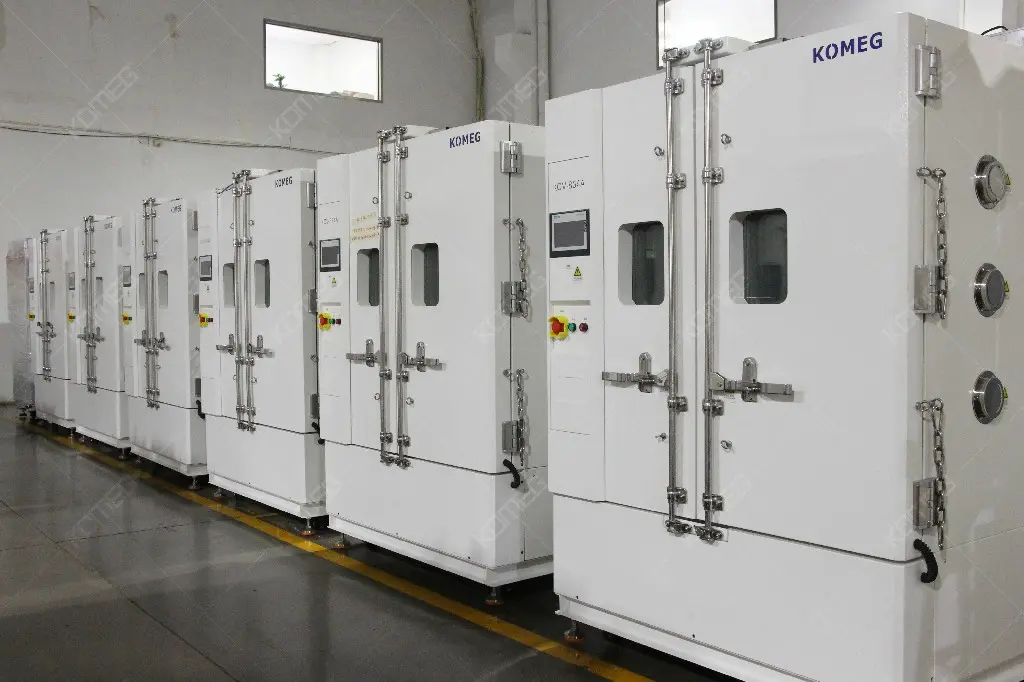
1. Test of heating
Place the temperature sensor at any point in the working space of the high-temperature aging test chamber, heat it with full power, and record the time when the temperature of the working room rises from room temperature to the maximum working temperature for the first time. The result should not exceed 120 minutes.
2. Surface temperature test
After the working temperature of the high-temperature aging test chamber reaches the maximum working temperature for the first time and is stable for 2 hours, use a thermometer to test the temperature of the surface of the cabinet. For the test chamber whose maximum working temperature does not exceed 200℃, the surface temperature should not be greater than room temperature plus 35℃; The maximum working temperature exceeds 200℃, and the surface temperature should be determined according to the formula.
3. Insulation resistance test
The test shall be carried out in accordance with the method specified in Article 6.2 of GB99 8, and the result shall be consistent with the insulation strength test of 1500V, AC 50H, and 1min when the electric heater terminal (including lead wire) is open to the control system. The insulation should not be broken down.
4. Dielectric strength test
The test shall be carried out in accordance with the provisions of Article 6.3 of GB998. When the test result is in line with the open circuit of the electric heater terminal (including the lead wire) and the control system, the enclosure shall withstand a voltage of 1500V, AC 50H, and a dielectric strength test lasting 1min. The insulation shall not be broken down.
5.Noise test
Test according to the method specified in ZBN61012, and the result is that the noise of the whole machine is not high and 75dB (A).
Knowledge | How to choose high temperature aging test equipment?
High temperature aging test is an important test to improve product stability and reliability, also an important production process for various manufacturers to improve product quality and competitiveness. This equipment is widely used in power electronics, computers, communications, biopharmaceuticals and other fields. According to other requirements to configure the main system, main electrical system, control system, heating system, temperature control system, wind constant temperature system, time control system, test load, etc. Through this test procedure, defective products or defective parts can be detected, and quickly find out the problem, provide effective means to solve the problem, and fully improve the customer's production efficiency and product quality.
Let’s learn about the basic knowledge of high temperature aging test together, help to choose high temperature aging test equipment.
High temperature aging screening purpose
l Improve product reliability, eliminate processing stress and residual solvents and other substances, and simulate harsh working environments to identify and eliminate product processes
l Check the early failures caused by the components to ensure the excellent quality and life expectancy of the whole machine, and enter a highly reliable stable period
High temperature aging test reference standard
GB/T2423.2-2008 Environmental testing of electrical and electronic products Part 2: Test method Test B: High temperature
GB/T3512-2014 Hot air accelerated aging and heat resistance test of vulcanized rubber or thermoplastic rubber
GB/T7141-2008 Plastic Thermal Aging Test Method
GB/T1735-2009 Determination of heat resistance of paints and varnishes
ASTM D5573-04 (2015) Standard Test Method for Empty Rubber to Determine Rubber Deterioration in Hot Air Drying Oven
ASTM D8865-2011 Standard Test Method for Rubber Deterioration by Heating in Air (Test Tube Closure Method)
ASTM D33045-1992 (2010) Standard Practice for Thermal Aging of Unloaded Plastics
IS0188-2011 accelerated aging and heat resistance test of vulcanized rubber or thermoplastic rubber
DIN53508-2000 rubber test accelerated aging
IEC60068-2-2-2007 Environmental Testing Part 2-2: Test Test B: Dry Heat test
High temperature aging test equipment requirements
There are two main types of equipment for high temperature aging test, high temperature aging test chamber and high temperature aging room.
Both of them are designed to simulate a high-temperature and harsh environment test equipment for high-performance electronic products. They are important experimental equipment to improve product stability and reliability. The main difference is that the high-temperature test chamber is used to test samples for high-temperature adaptability tests and The high temperature stress test can also be used as a drying oven, but due to the large index difference, the drying oven cannot replace the high temperature test chamber, and the aging room is generally used for the sophisticated screening of products before leaving the factory, picking out the early failure parts, and conducting modular product testing, mostly used in electrical and electronic products.
High temperature aging test chamber
The high temperature aging chamber meets Rt+20℃~+300℃, and the ventilation time is adjustable from 1h to 99h.
High temperature aging room
Temperature range +40℃~+70℃; suitable for aging test of all electronic products
Integral Aging Room features
1. Adopt combined isolation, PD & closed temperature control
2. Use PU foam (double-layer glass for doors) for heat insulation, so that the internal temperature is not affected by external factors, and achieves power saving effect
3. The height and width between layers are customized according to the actual needs of customers, and it is convenient to pick and place
4. The trolley can facilitate the advancement and removal of the product, which is convenient for loading and unloading, and is convenient for equipment maintenance
5. Computer monitoring system can be installed according to customer requirements
Isolated aging room features
1. The product area and the load area are isolated, and the split load is used for easy maintenance and temperature control.
2. Use PU foam (double-layer glass for doors) for heat insulation, so that the internal temperature is not affected by external factors, and achieves power saving effect.
3. The products are placed in layers, and the height between layers is selected according to the requirements, and it is convenient to take and place.
4. Computer monitoring system can be installed according to customer requirements.
High temperature aging test equipment requirements
1. Test of heating
Place the temperature sensor at any point in the working space of the high-temperature aging test chamber, heat it with full power, and record the time when the temperature of the working room rises from room temperature to the maximum working temperature for the first time. The result should not exceed 120 minutes.
2. Surface temperature test
After the working temperature of the high-temperature aging test chamber reaches the maximum working temperature for the first time and is stable for 2 hours, use a thermometer to test the temperature of the surface of the cabinet. For the test chamber whose maximum working temperature does not exceed 200℃, the surface temperature should not be greater than room temperature plus 35℃; The maximum working temperature exceeds 200℃, and the surface temperature should be determined according to the formula.
3. Insulation resistance test
The test shall be carried out in accordance with the method specified in Article 6.2 of GB99 8, and the result shall be consistent with the insulation strength test of 1500V, AC 50H, and 1min when the electric heater terminal (including lead wire) is open to the control system. The insulation should not be broken down.
4. Dielectric strength test
The test shall be carried out in accordance with the provisions of Article 6.3 of GB998. When the test result is in line with the open circuit of the electric heater terminal (including the lead wire) and the control system, the enclosure shall withstand a voltage of 1500V, AC 50H, and a dielectric strength test lasting 1min. The insulation shall not be broken down.
5.Noise test
Test according to the method specified in ZBN61012, and the result is that the noise of the whole machine is not high and 75dB (A).
Product Categories
Recent Posts
Copyright © 2026 GUANGDONG KOMEG INDUSTRIAL CO., LTD